
Bradley Legal Corp · Hybrid planning
The Bridge Trust®: A Hybrid Asset Protection Trust
Domestic for tax purposes while no threat exists, anchored offshore from inception, and moved offshore only by the Trust Protector's judgment. How it works, and its limits.
Request a legal consultationCompare your options →What the Bridge Trust® is
The Bridge Trust® is a hybrid asset protection trust. It has an offshore legal foundation from inception, and the IRS classifies it as a domestic grantor trust while no threat exists. It is foreign in legal character and domestic for tax purposes. It is one trust, not two.
Two separate rules do two separate jobs:
- Domestic vs. foreign classification is decided by the court test and the control test in Treas. Reg. §301.7701-7, under IRC §7701(a)(30)(E). The trust is drafted to satisfy both during its domestic phase.
- Who reports the income is decided by the grantor-trust rules at IRC §§671–677. Income is reported on your own return.
During the domestic phase, foreign-trust reporting (Forms 3520 and 3520-A) generally does not apply because of the trust. Ordinary tax and recordkeeping obligations continue, and your CPA should confirm the requirements. That is deferral, not elimination. If the trust moves offshore, the foreign reporting regime applies from that point.
How the offshore transition works
It is not automatic. No clause fires when a complaint is filed.
If a credible threat arises, the Trust Protector, a fiduciary independent of you as settlor, may declare an Event of Duress in writing. The declaration itself does not change the trust's situs, law, or trustee. It opens a menu of options the Trust Protector may use, as a matter of fiduciary judgment.
On a declaration:
- These happen immediately: standing consents are revoked; your powers to appoint or remove the Protector and the successor trustee are suspended; distributions are suspended; and further amendment is barred.
- These are at the Trust Protector's discretion: removing the domestic trustee and installing the pre-committed Special Successor Trustee, a licensed trust company in a jurisdiction such as the Cook Islands or Nevis, and changing governing law or situs.
The Special Successor Trustee signs the trust agreement as a party at formation, with due diligence and onboarding completed years in advance. No new trust is created at the moment of the threat; the offshore trustee is already a party to the agreement.
The structure at a glance
Two phases, one trust.
Why the design separates roles
Most of the adverse cases in this area are control cases. In FTC v. Affordable Media (the Anderson case), 179 F.3d 1228 (9th Cir. 1999), the Cook Islands trustee refused repatriation, but the Andersons had kept their roles as protectors of their own trust. Because they still held that authority, they could not show that compliance was impossible, and they were held in contempt. The Bridge Trust® is drafted so that the settlor does not hold that authority once duress is declared.
Five questions to ask about any hybrid trust, including this one
- Is the trust registered offshore from inception, or does it merely intend to register?
- Is the offshore trustee named now, or identified later?
- Who decides whether to transition, and is that person independent of the settlor?
- Are the transition procedures written into the original agreement?
- Is domestic tax classification actively maintained, or simply assumed?
Its limits
- Timing. It protects only against claims that were not foreseeable when it was funded. If you have already been sued, it will not protect you against that claim.
- While domestic, it is exposed to domestic law. During the domestic phase it is a U.S. trust, and the rules that reach self-settled trusts at home, such as Cal. Prob. Code §15304, remain part of the analysis.
- Bankruptcy applies in every phase. Under 11 U.S.C. §548(e), a bankruptcy trustee may avoid transfers to a self-settled trust made within ten years with intent to hinder, delay, or defraud creditors, whether the trust is domestic or offshore.
- Real estate stays where it is. Land is governed by the law where it sits. Real property belongs in a state-matched LLC in the ownership chain, not directly in any trust.
- Divorce and support are different. A spouse is not a creditor, and no structure can be used to avoid support obligations or hide marital property.
Who it fits, and who it doesn't
It may fit business owners operating entirely within the United States, real estate investors holding domestic property, and professionals who want meaningful protection while keeping ordinary domestic financial management.
A fully foreign trust may fit better for families with substantial international holdings or significant, immediate exposure. Domestic planning alone may be enough for moderate exposure in a favorable state. See the three options compared.
Frequently asked questions
Is the Bridge Trust® a domestic asset protection trust?
No. It is foreign in legal character and classified as domestic for tax purposes while no threat exists.
Who decides whether it moves offshore?
The Trust Protector, a fiduciary independent of you, exercising judgment. Not you, and not an automatic trigger.
Do I file Form 3520?
Not during the domestic phase. If the trust transitions offshore, the foreign reporting regime applies from that point.
Does it preserve the step-up in basis?
It is drafted so the assets remain includible in your gross estate, so that IRC §1014 is available at death, subject to your facts and future law.
Who manages the assets during the domestic phase?
The agreement can allow you to serve as the initial trustee and manage assets within the authority it sets. If the offshore provisions take effect, trustee authority and the control you retain change. Understand both phases before you sign.
Can it protect me from a lawsuit already filed?
Not from that claim.
Legal consultation
Tell me about your situation
Fill out the form below. I review every submission personally. If your situation is a fit for pre-litigation planning, you will receive a link to book a private 60-minute consultation. If you prefer to speak directly, call (888) 773-9399.
Asset protection works best before a claim exists. If you already face a pending or threatened claim, transfers made now can be challenged and may not protect you against that claim. Tell me about it at the consultation.
Submitting this form does not create an attorney-client relationship. Please do not include confidential details.

About your attorney
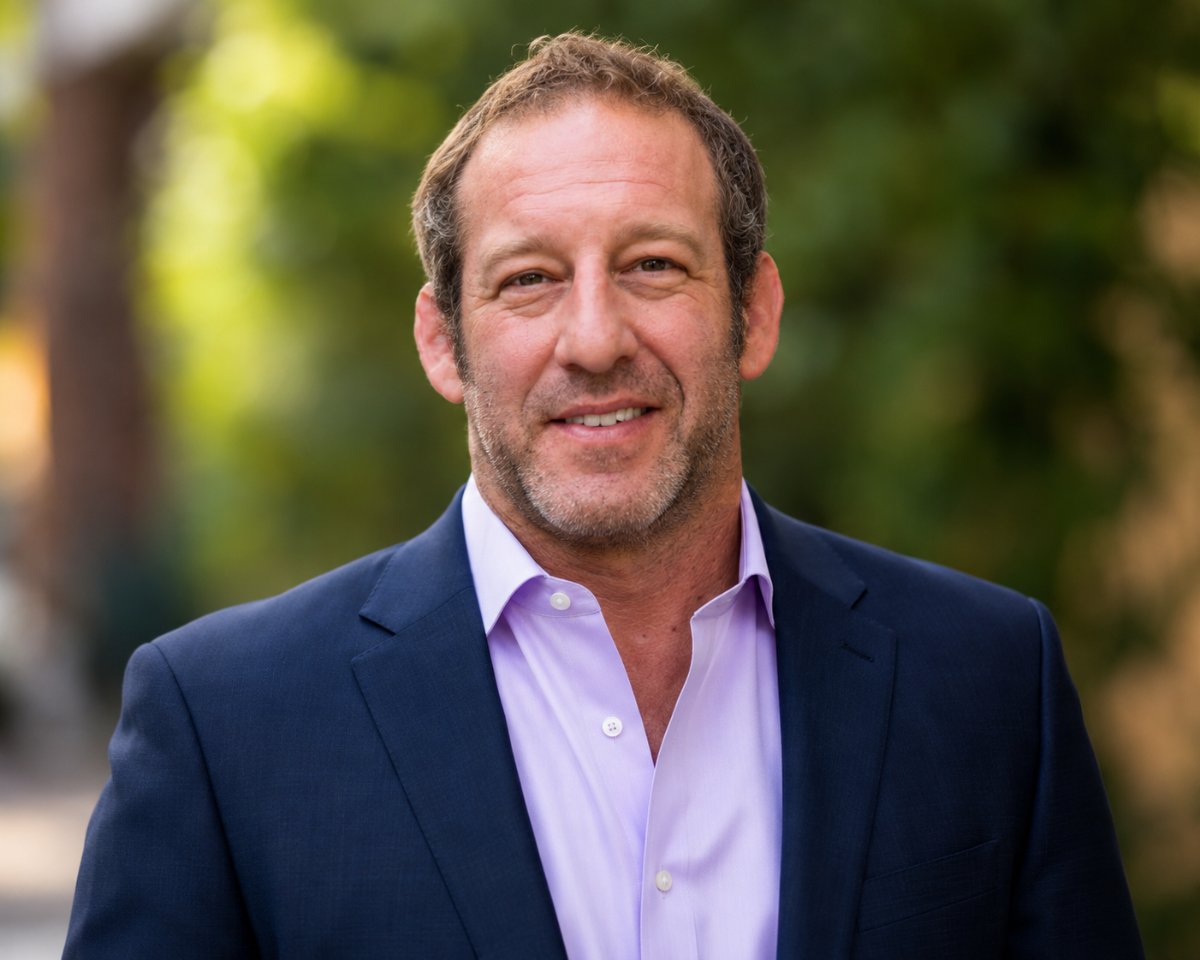
Brian T. Bradley, Esq.
Licensed in California, Oregon & Washington
I spent the early part of my career on the plaintiff's side of civil litigation in Los Angeles and Orange County, running discovery and taking structures apart. I now use that experience on the other side of the table: designing structures before a claim exists, so they hold when a creditor's attorney tests them.
I handle trust engagements as co-counsel with the Trust Protector, an affiliated firm that prepares the trust documents, and I am directly involved in every engagement from design through implementation. I am the author of the Over Exposed series.


Asset Protection Council
A national network of legal, tax, and financial professionals. I serve as the Council's lead attorney.
Structure before stress.
Is a hybrid the right fit for you?
It fits some clients and not others. The answer turns on your exposure, where your assets sit, and whether you will maintain the structure for the next twenty years.
Request a legal consultation(888) 773-9399
Attorney advertising. Brian T. Bradley, Esq., Bradley Legal Corp, Wilsonville, Oregon. Licensed in California, Oregon, and Washington, and serving clients nationwide; matters under other states' law are handled with local counsel where required. This page is general information, is not legal or tax advice, and does not create an attorney-client relationship. Outcomes depend on facts, timing, and jurisdiction. The Bridge Trust® is a registered trademark of its owner, used with permission.
Disclosure: I handle every trust engagement as co-counsel with the Trust Protector, an affiliated firm that prepares the trust documents and serves as protector on the Bridge Trust® and Dynasty Bridge Trust®. I am directly involved in each engagement, from design through implementation. The legal fee is divided between the two firms, as set out in the engagement letter, and I am paid for that work.
