Bradley Legal Corp · Generational planning
The Dynasty Bridge Trust®
Protection for your lifetime, and continuity for the generations that follow, in one planned structure.
Request a legal consultationCompare your options →What it is
Most planning answers only part of the question. An asset protection trust protects you while you are alive. A will or living trust passes wealth to your children at death. A dynasty trust holds wealth for later generations. Each solves one problem and leaves the others open.
The Dynasty Bridge Trust® is designed to address all three in one planned structure. During your lifetime, the Bridge Trust® provides creditor protection, backed by an offshore contingency the Trust Protector may activate through fiduciary judgment. At the surviving parent's death, the plan continues as a Nevada dynasty structure for your children, grandchildren, and later generations. The assets never have to pass outright to your children before the dynasty provisions apply.
Your legacy, continued
One structure.
A planned succession.
Trust-held inheritances, thoughtful distributions, and family governance, as provided in your trust.
The offshore response to duress is a separate contingency from the planned succession at death.
During your lifetime: the Bridge Trust®
During ordinary lifetime administration, the trust can allow you to serve as trustee or co-trustee, subject to the powers and limits written into the document, and in a lifetime-access design you may also remain a beneficiary. Assets can generally stay at the institutions you already use, once ownership is properly transferred to the trust.
The trust is irrevocable from the day it is signed. Irrevocability and day-to-day management are different questions: the document spells out which responsibilities stay with you, which decisions need another party's approval, and who steps in when you can no longer serve.
During your lifetime the trust is generally designed as a grantor trust, so you report its taxable income on your own return. Grantor-trust status does not make the income tax-free, and by itself it does not determine whether the assets are included in your estate.
What the "Bridge" adds
The trust is initially registered in Belize but structured and administered to qualify as a domestic trust for U.S. tax purposes under the court and control tests of Treas. Reg. §301.7701-7. It also names a Special Successor Trustee in the Cook Islands or Nevis.
The Trust Protector has independent authority to evaluate whether an Event of Duress should be declared. That declaration can start the steps for transferring control and administration to the offshore trustee. It is a discretionary protective mechanism, not an automatic reaction to a lawsuit being filed.
Activating it is a real change in control. It can change the trust's tax classification and trigger foreign-trust reporting, so it calls for coordinated legal and tax review. For many families it is a contingency they never use.
The offshore response to duress and the planned Nevada transition at death are two different events. The ordinary succession plan is continued domestic administration in Nevada, not a move offshore when a parent dies.
At death: a planned continuation in Nevada
At the surviving parent's death, the governing documents provide for a Nevada trustee to assume the designated responsibilities and for continuing trusts for your descendants to be administered under the Nevada structure. Depending on the drafting, that may be a continuation of the existing trust or a division into separate family trusts.
Nevada permits a trust to last up to 365 years (NRS 111.1031), imposes no state income tax on trusts, and allows responsibility to be divided among trustees, investment advisers, distribution advisers, and trust protectors. Whether a family actually realizes the income tax benefit depends on where the grantors, trustees, and beneficiaries live. The Nevada trustee must have a genuine role; a Nevada address on the document is not enough.
What your children receive
Each child's family can have its own continuing trust. Your children are beneficiaries rather than unrestricted owners, which is designed to keep the wealth out of reach of a child's creditors and out of a divorce settlement. The trust can support education, healthcare, housing, and business opportunities in a discretionary manner, by distribution, direct payment of an expense, or a properly documented loan. What it does not do is hand over an unrestricted lump sum.
The step-up in basis
Under IRC §1014, inherited assets take a new basis equal to fair market value at death, but only if they are included in the decedent's gross estate. A traditional dynasty trust is funded by a completed gift, which removes the assets from the estate and gives up the step-up.
The Dynasty Bridge Trust®'s lifetime-access design is intended to keep the assets in your estate for tax purposes, so appreciated property can receive a new basis at your death. For families who also want to move future appreciation out of the estate, completed-gift planning can be layered on for selected assets. Your CPA should run both approaches.

The GST exemption
The trust document does not allocate your generation-skipping transfer (GST) exemption. That happens on a tax return, coordinated with your CPA. The GST exemption is not portable between spouses; exemption left unallocated at the first death is lost permanently. This is where dynasty plans most often fail quietly.
Who it fits
It is not for everyone. It fits families whose wealth is large enough to attract claims, whose children are young enough or numerous enough that an outright inheritance would be a risk rather than a gift, and whose parents want the plan settled now rather than left for someone else to work out later.
Frequently asked questions
Is the dynasty trust a separate trust I create later?
No. The Nevada continuation at the surviving parent's death is planned in the original documents.
Can I stay in control during my lifetime?
The trust can allow you to serve as trustee or co-trustee and remain a beneficiary, within the limits the document sets. If the Trust Protector declares an Event of Duress, control changes.
Does it preserve the step-up in basis?
It is designed to. The lifetime-access design is intended to keep the assets in your estate, so §1014 is available at death, subject to your facts and future law.
Does the trust allocate my GST exemption?
No. That happens on a tax return with your CPA.
Do I file Form 3520?
Not while the trust qualifies as domestic. If the Trust Protector declares an Event of Duress and control moves offshore, foreign-trust reporting may then apply.
Does the trust move offshore when I die?
No. The duress contingency and the Nevada succession at death are separate events.
Can my children's creditors reach the trust?
Your children are beneficiaries of trusts they did not fund, not owners of the assets. That protection is designed to last while the assets stay in trust.
About your attorney
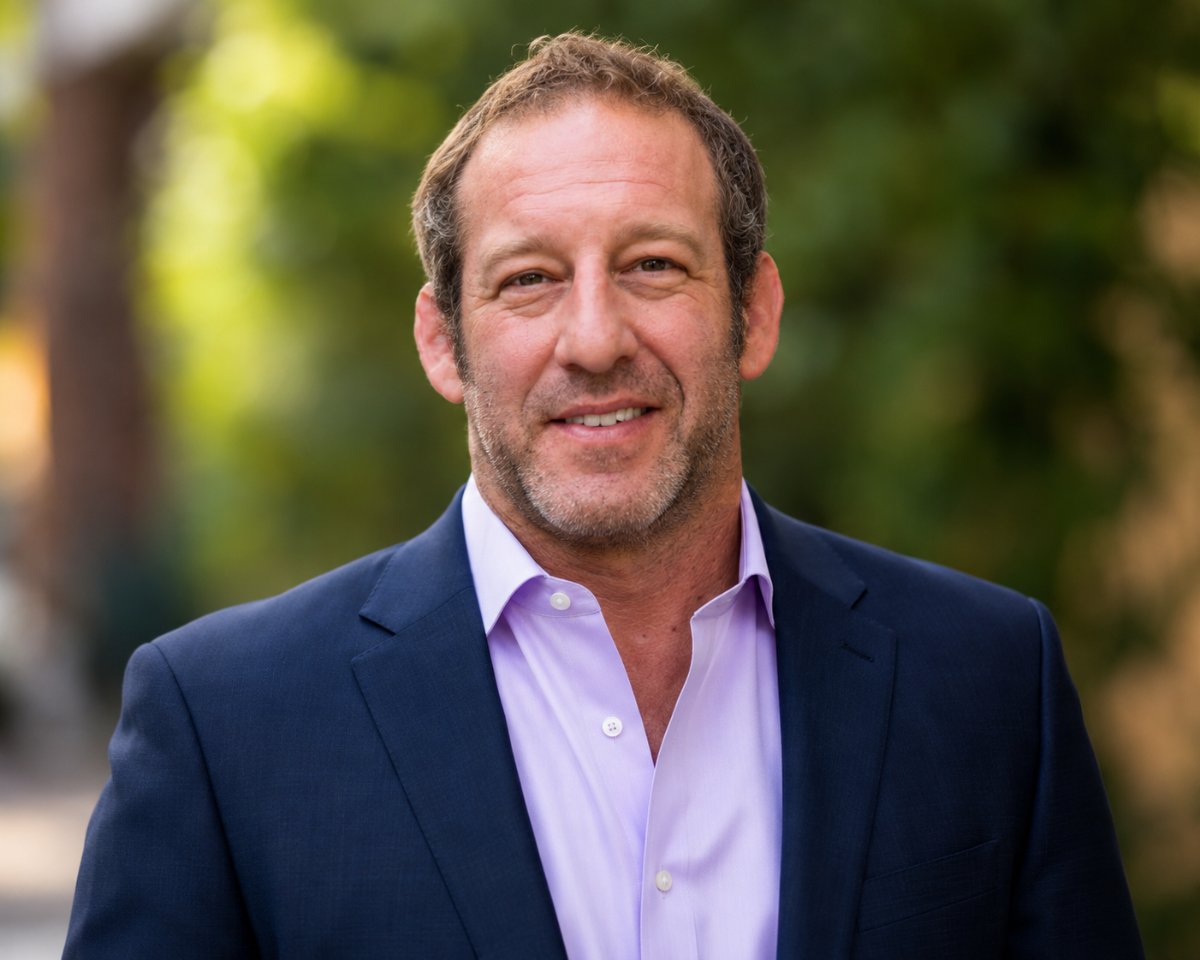
Brian T. Bradley, Esq.
Licensed in California, Oregon & Washington
I spent the early part of my career on the plaintiff's side of civil litigation in Los Angeles and Orange County, running discovery and taking structures apart. I now use that experience on the other side of the table: designing structures before a claim exists, so they hold when a creditor's attorney tests them.
I handle trust engagements as co-counsel with the Trust Protector, an affiliated firm that prepares the trust documents, and I am directly involved in every engagement from design through implementation. I am the author of the Over Exposed series.
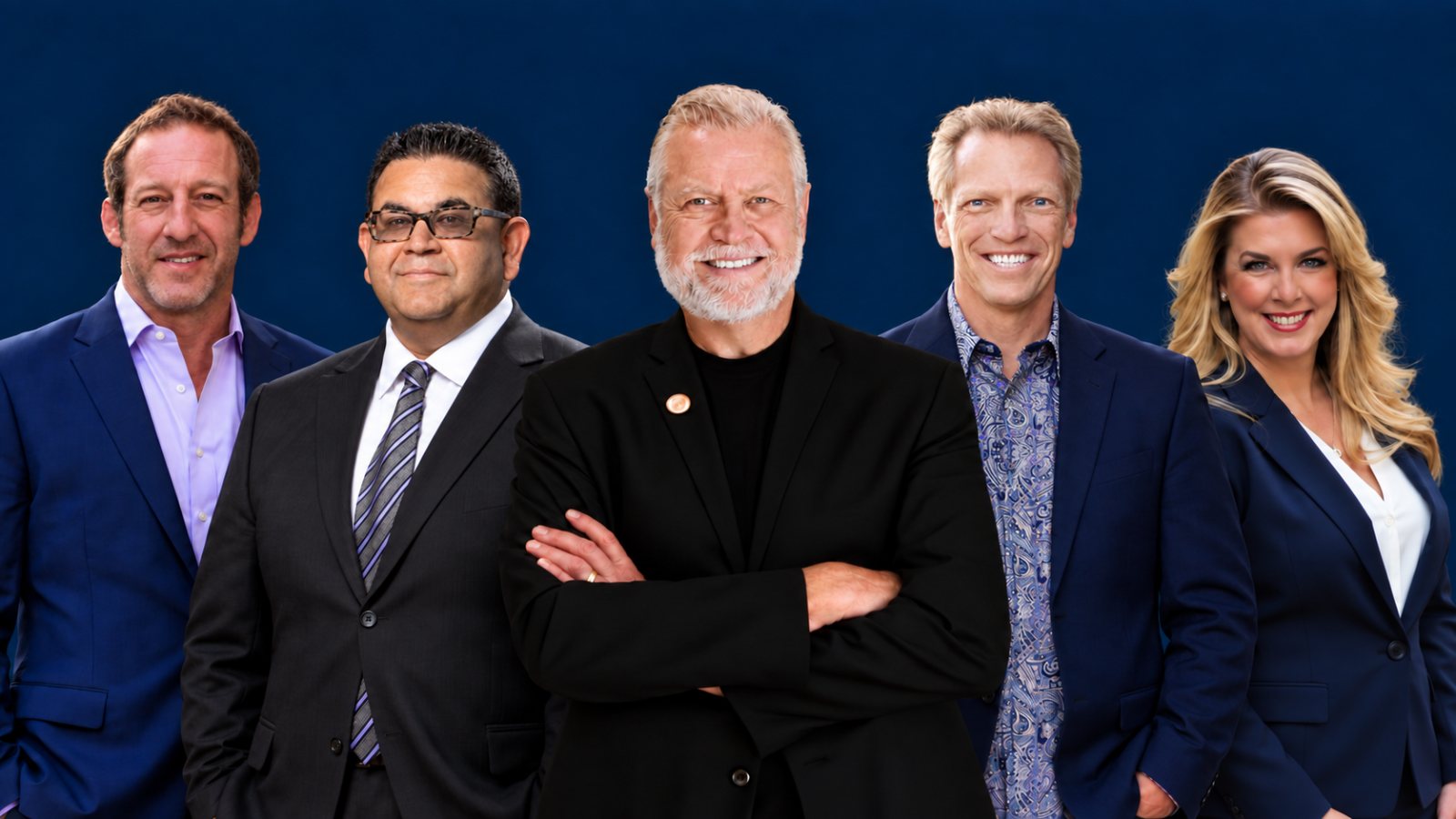

Asset Protection Council
A national network of legal, tax, and financial professionals. I serve as the Council's lead attorney.
Structure before stress.
Is the Dynasty Bridge Trust® right for your family?
It fits some families and not others. The answer turns on your exposure, your estate, and how you want your children to receive what you have built. Bring your CPA to the conversation.
Request a legal consultation(888) 773-9399
Attorney advertising. Brian T. Bradley, Esq., Bradley Legal Corp, Wilsonville, Oregon. Licensed in California, Oregon, and Washington, and serving clients nationwide; matters under other states' law are handled with local counsel where required. This page is general information, is not legal or tax advice, and does not create an attorney-client relationship. Outcomes depend on facts, timing, and jurisdiction. The Bridge Trust® and Dynasty Bridge Trust® are registered trademarks of their owner, used with permission.
Disclosure: I handle every trust engagement as co-counsel with the Trust Protector, an affiliated firm that prepares the trust documents and serves as protector on the Bridge Trust® and Dynasty Bridge Trust®. I am directly involved in each engagement, from design through implementation. The legal fee is divided between the two firms, as set out in the engagement letter, and I am paid for that work.