
Which Asset Protection Structure Do I Actually Need?
Which Asset Protection Structure Do I Actually Need? LLC, limited partnership, or trust — and when each one earns its cost. A layer-by-layer framework based on your exposure, not your net worth.
A personal guarantee doesn’t make you a secondary obligor if the LLC fails. It makes you the borrower from the moment you sign. Nine years of entity structuring, bypassed by one signature. The liability stays. What changes is what the creditor can actually reach — and that difference determines whether you negotiate or liquidate.
Society is becoming more and more litigious with out of control jury awards and no tort reform. How to protect your assets.
How to Refinance a Rental Property Held in an LLC. Deed out, refinance, deed back — the standard sequence. What nobody tells you is that the deed back isn't protected by federal law, and what your CPA is actually worried about.
Texas Asset Protection: What the Law Actually Allows. Texas homestead protection is unlimited. Self-settled trusts are void under §112.035(d). Charging-order exclusivity holds — except against a shell with no real partners.
real estate asset protection strategies
Florida Asset Protection Trusts: Why They Fail. Fla. Stat. §736.0505 voids self-settled trusts. §605.0503(4) lets creditors foreclose single-member LLC interests. What Florida protects, and what it leaves exposed.
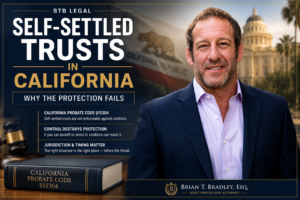
Self-Settled Spendthrift Trusts in California: §15304 Explained. California Probate Code §15304 voids spendthrift protection in a self-settled trust. Here's the statute subsection by subsection, what courts do with it, and what works instead.
insurance has exclusions, limits, and reservations of rights that leave high-earning professionals completely exposed. Insurance is a levee — not higher ground. Here’s the difference.
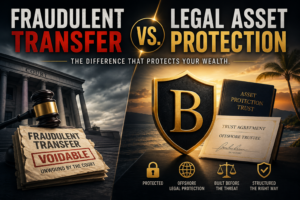
Fraudulent Transfer vs. Legal Asset Protection: Where the Line Is. Courts ask three questions — timing, solvency, control. Proactive planning is lawful. Reactive transfers get unwound. What the UVTA actually says and how courts infer intent.