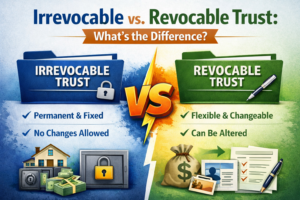

Irrevocable vs Revocable Trusts: Whats the difference?

Most people believe a living trust protects them. It doesn’t. A revocable trust transfers assets at death — it offers zero protection from creditors, judgments, or litigation. This article breaks down exactly what separates a revocable trust from a true irrevocable structure, why domestic asset protection trusts have failed in court six times in the last fifteen years, and what a court-defensible structure actually looks like.

Continue ReadingIrrevocable vs Revocable Trusts: Whats the difference?

Can You Actually Protect Assets in Divorce? Here’s What the Law Says

Every marriage has exit terms. If you wrote yours before the wedding, it’s called a prenuptial agreement. If you didn’t, the state wrote them for you — and those terms weren’t designed for a physician with a growing practice, a real estate investor with a premarital portfolio, or an entrepreneur who spent decades building a business. This article explains what family courts can actually reach, why offshore trusts don’t override marital property law, and what planning before conflict looks like for high-net-worth individuals.​​​​​​​​​​​​​​​​

Continue ReadingCan You Actually Protect Assets in Divorce? Here’s What the Law Says

How Asset Protection Works: What It Is, How It Functions, and What It’s Actually Trying to Accomplish

Most people confuse asset protection with insurance, estate planning, or hiding assets. It's none of those things. It's a legal discipline built on four variables — Timing, Control, Jurisdiction, and Collectibility — and it only works if it's built before the threat arrives.

Continue ReadingHow Asset Protection Works: What It Is, How It Functions, and What It’s Actually Trying to Accomplish