
Limitations of Domestic Irrevocable Trusts: A Case Law Review
In the early 2000s, domestic irrevocable trusts were widely marketed as the go-to solution for asset protection. Promoted as a way to shield…

In the early 2000s, domestic irrevocable trusts were widely marketed as the go-to solution for asset protection. Promoted as a way to shield…

The Bridge Trust® isn’t a loophole — it’s a statute-anchored structure built on IRC §§ 671-677 and the Cook Islands International Trusts Act. Here’s the exact legal framework that makes it court-defensible.
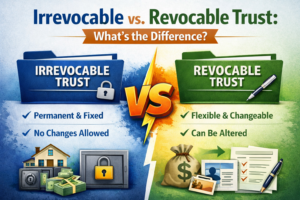
Most people who have a trust believe they're protected. Those are two different things. This guide breaks down the four trust structures that actually matter — what each one does, what it doesn't, and where the real protection comes from.

The Bridge Trust® is one trust with an offshore legal foundation and U.S. domestic tax classification under IRC §7701. Here is how it works, what the case law says, and who it is for.

A Cook Islands trust is the gold standard of offshore asset protection — but most people who inquire about one don’t actually need the cost and complexity. Here’s how to know which structure fits your situation.
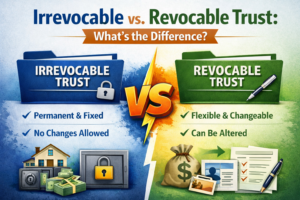
Most people believe a living trust protects them. It doesn’t. A revocable trust transfers assets at death — it offers zero protection from creditors, judgments, or litigation. This article breaks down exactly what separates a revocable trust from a true irrevocable structure, why domestic asset protection trusts have failed in court six times in the last fifteen years, and what a court-defensible structure actually looks like.

SEC vs Solow case review. Proactively structuring your assets can be beneficial, but if done in haste or with the wrong intentions, it can lead to unintended consequences.

FTC v. Affordable Media (The Anderson Case): What It Actually Decided. The Andersons went to jail. The assets never came back. Then the Cook Islands High Court rejected the FTC’s takeover attempt and awarded costs against it. What Anderson really holds.

Most people confuse asset protection with insurance, estate planning, or hiding assets. It's none of those things. It's a legal discipline built on four variables — Timing, Control, Jurisdiction, and Collectibility — and it only works if it's built before the threat arrives.