
Why Successful Asset Protection Rarely Produces Case Law
The best asset protection plans never appear in court records — because they work before litigation begins. Here’s why the absence of case law is actually proof of concept, not a weakness

The best asset protection plans never appear in court records — because they work before litigation begins. Here’s why the absence of case law is actually proof of concept, not a weakness

The Indiana Investors Trust cases are among the most misused in asset protection debates. Here’s what the courts actually decided about asset freezes, offshore planning, and what proper Bridge Trust design prevents

Can a SMLLC be relied upon to contain a liability?
You cannot rely on the Trust document or recitals to establish JURISDICTION! In the end the COURT which has the case in front of it, whether State, Federal or Bankruptcy, will determine which law applies, regardless of what the Trust document itself attempts to establish.

Bankruptcy doesn’t give you a fresh start — it gives a trustee control of your assets and uses them to pay your creditors. Asset protection, built before the threat arrives, keeps your assets in your hands while you negotiate on your terms. This article breaks down the real difference, what the statutes say, and what three landmark cases — Grant, Solow, and Anderson — tell us about how this plays out under real enforcement pressure.

Can I Be Held in Civil Contempt for Having an Offshore Trust? Civil contempt requires a present ability to comply. Courts punish retained control and reactive timing — not offshore trusts. What the record actually shows.

Courts don’t penalize offshore planning — they penalize timing. The client who calls on Friday wanting everything moved offshore by Monday didn’t create the peril by planning. He created it by waiting.

The Bridge Trust® isn’t a loophole — it’s a statute-anchored structure built on IRC §§ 671-677 and the Cook Islands International Trusts Act. Here’s the exact legal framework that makes it court-defensible.
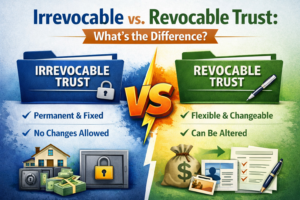
Most people believe a living trust protects them. It doesn’t. A revocable trust transfers assets at death — it offers zero protection from creditors, judgments, or litigation. This article breaks down exactly what separates a revocable trust from a true irrevocable structure, why domestic asset protection trusts have failed in court six times in the last fifteen years, and what a court-defensible structure actually looks like.

Fraudulent Transfer vs. Legal Asset Protection: Where the Line Is. Courts ask three questions — timing, solvency, control. Proactive planning is lawful. Reactive transfers get unwound. What the UVTA actually says and how courts infer intent.