
Understanding Irrevocable Trusts vs. The Bridge Trust®
What is the difference between an domestic irrevocable trust and an asset protection trust?

What is the difference between an domestic irrevocable trust and an asset protection trust?

The Bridge Trust® is one trust with an offshore legal foundation and U.S. domestic tax classification under IRC §7701. Here is how it works, what the case law says, and who it is for.

Cook Islands Trust: What It Is, What It Costs, Who Needs One. The Cook Islands Trust is the strongest asset protection framework in the world — and it costs $30K–$45K to set up plus $15K–$25K a year. Who it fits, who it doesn't, and the alternative.
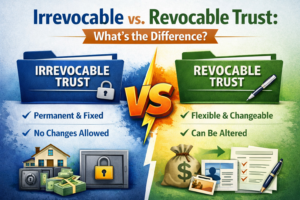
Most people believe a living trust protects them. It doesn’t. A revocable trust transfers assets at death — it offers zero protection from creditors, judgments, or litigation. This article breaks down exactly what separates a revocable trust from a true irrevocable structure, why domestic asset protection trusts have failed in court six times in the last fifteen years, and what a court-defensible structure actually looks like.

Fraudulent Transfer vs. Legal Asset Protection: Where the Line Is. Courts ask three questions — timing, solvency, control. Proactive planning is lawful. Reactive transfers get unwound. What the UVTA actually says and how courts infer intent.

Swiss Banking for Asset Protection: How the Account Opens. Can an offshore account be opened after a trust is triggered? Yes — and the reason it isn't a reactive transfer is written into the partnership agreement at formation.

SEC vs Solow case review. Proactively structuring your assets can be beneficial, but if done in haste or with the wrong intentions, it can lead to unintended consequences.